 LV / EUR









Insoles for Minimalist Shoes (13)
Insoles



You have seen 13 of 13 products
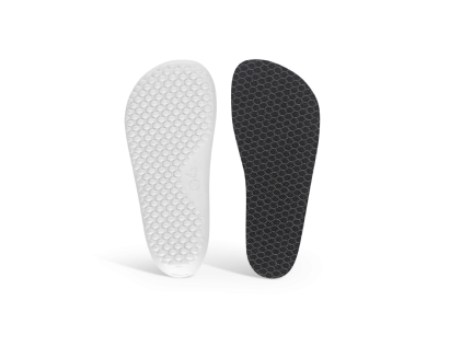
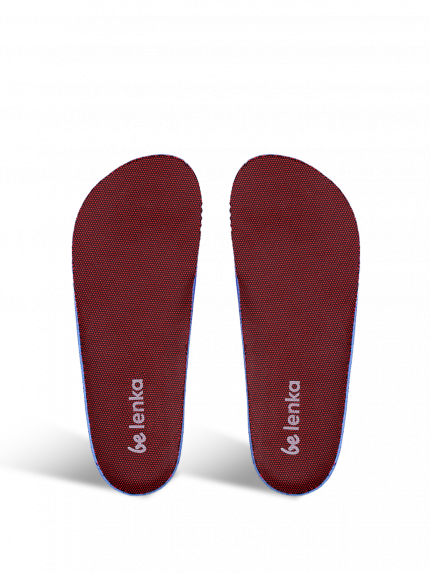
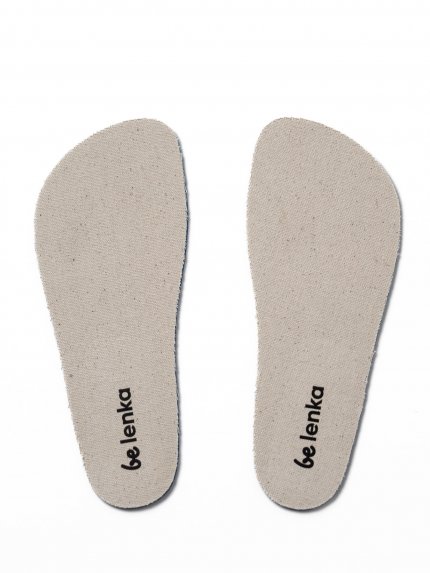
Be Lenka shoe insoles fine-tune the comfort of your barefoot shoes. They help keep the footwear fresh, adapt to the foot and give it a pleasant feel all day long without restricting natural movement.
What insoles are for in barefoot footwear
In the barefoot world, insoles have a different role than in classic footwear. It isn’t about shaping the arch or raising the heel, but about hygiene, warmth and comfort. The insole wicks moisture away, keeps the inside of the shoe fresher and can easily be taken out and dried. In winter models it adds a layer that insulates against the cold from below. And when the original insole has served its time after months of wear, a replacement gives the shoes back the feeling of the first day.
When an insole really pays off
There are several situations and all of them are practical. If you wear one pair of shoes daily, a second set of insoles lets you alternate them and always put on a dry shoe. If a model fits you in length but a little free space remains, the insole fine-tunes the volume. In winter, a thin insulating layer helps during long periods of standing outdoors. And with footwear you wear barefoot, the insole takes care of the cleanliness of the interior and easier maintenance.
Which insole belongs in which model
One rule makes the choice easier: what decides is the sole of your shoes. CottonComfort combines natural cotton with recycled foam, wicks moisture away, dries quickly and is the most universal choice for every day. ActiveBoost, 5 mm thick, adds memory foam that cushions impacts during active movement. ThermoWool builds on merino wool and a layer of ALU foil that prevents the cold from getting in from below, so it belongs in winter footwear. These three suit all Be Lenka models for adults except those on the AlldayComfort sole. For those, SoftStep is intended: a thinner insole, 3.5 mm, with a perforated textile that increases breathability. The Diva, Mojo, Charlotte and Glam models on the ErgoGrip sole have their own replacement insole, Thermo Fleece, made of recycled PU and fleece.
An insole mustn’t steal space
When choosing, one rule stands above the others: the insole must fit into the shoe without taking room away from the toes or lifting the heel higher than the toe. That’s why thin flat models in an anatomical shape belong in barefoot footwear, not the contoured insoles from ordinary shops. If the insole feels tight once inserted, rather take it out. The space in the shoe is the most precious thing barefoot footwear offers.
A small accessory with a big effect on lifespan
The inside of a shoe suffers most from sweat and moisture, which gradually break down the materials. A replaceable insole takes most of this burden on itself and protects what can’t be replaced. Together with regular care of the upper, you’ll thus extend the life of a favourite pair by whole seasons. You’ll find cleaning and waterproofing products in the shoe care category; together with insoles they form the basic equipment of every wardrobe.
Which insole suits moccasins and ballet flats?
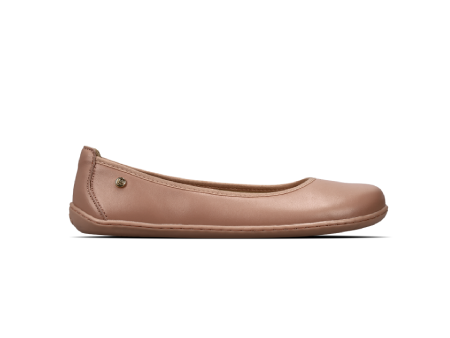
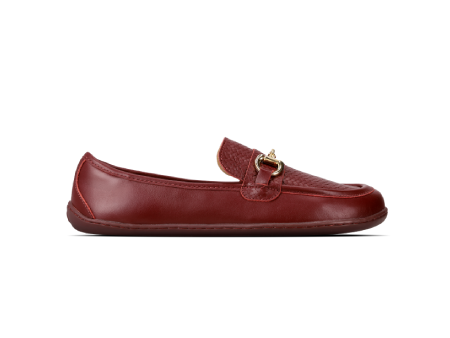
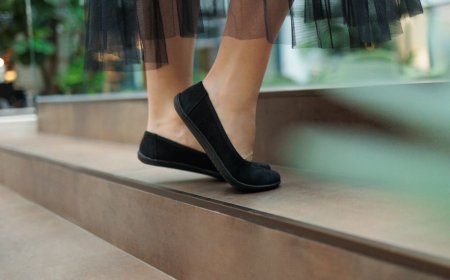
+ -Moccasins and ballet flats stand on the AlldayComfort sole, which the SoftStep insole belongs to. It’s thinner, 3.5 mm, so it doesn’t take away the space these models are entitled to, and the perforated textile increases breathability. The CottonComfort, ActiveBoost and ThermoWool insoles are intended for the other Be Lenka models for adults. If you’re not sure which sole your pair has, you’ll find it in the product description.
Can I put orthotic insoles into barefoot shoes?
+ -Technically yes, but it changes the principle barefoot footwear stands on. A contoured insole takes over the work of the foot muscles that barefoot is meant to activate, and often raises the heel as well. If the insoles were prescribed by a doctor, follow their recommendation and consult the change of footwear with them. An orthopaedist or a physiotherapist will tell you best what is suitable in your case.
How to match the insole to the size of my shoe?
+ -When choosing an insole, go by the size of your footwear or by the recommended size chart on the specific product. The insoles aren’t meant to be cut or adjusted afterwards, so it’s important to choose the right size already at purchase. If you’re unsure, take the original insole out of the shoe and compare its length with the dimensions of the new one. A correctly chosen insole should sit flat in the shoe, not crease and not shift.
How often to replace insoles?
+ -According to the intensity of wear, roughly once a season with daily use. The signals are compressed material that no longer returns to its original shape, pronounced toe imprints, or an odour that doesn’t disappear even after drying. A replacement costs a fraction of the price of the shoes and can bring back the feeling of new footwear.